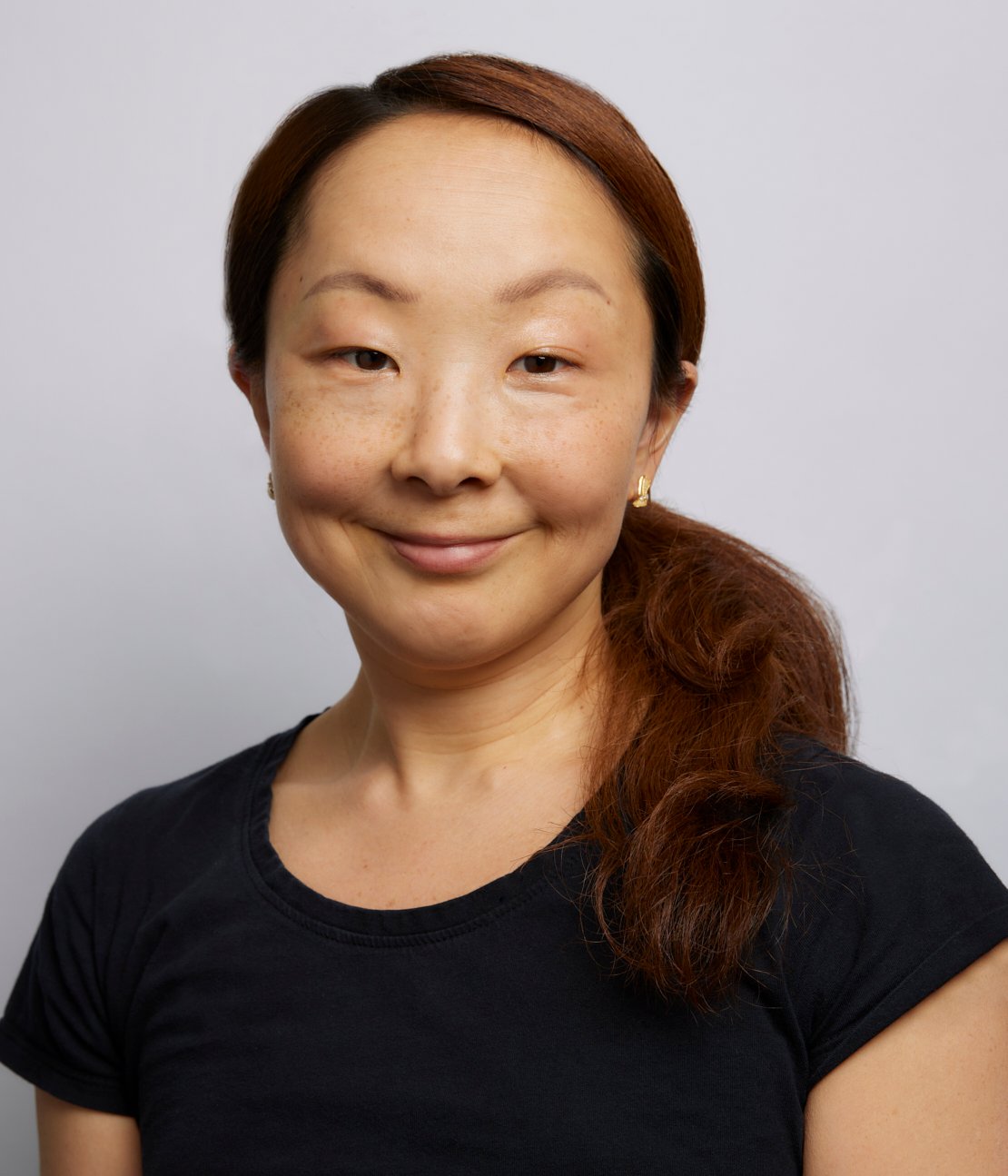
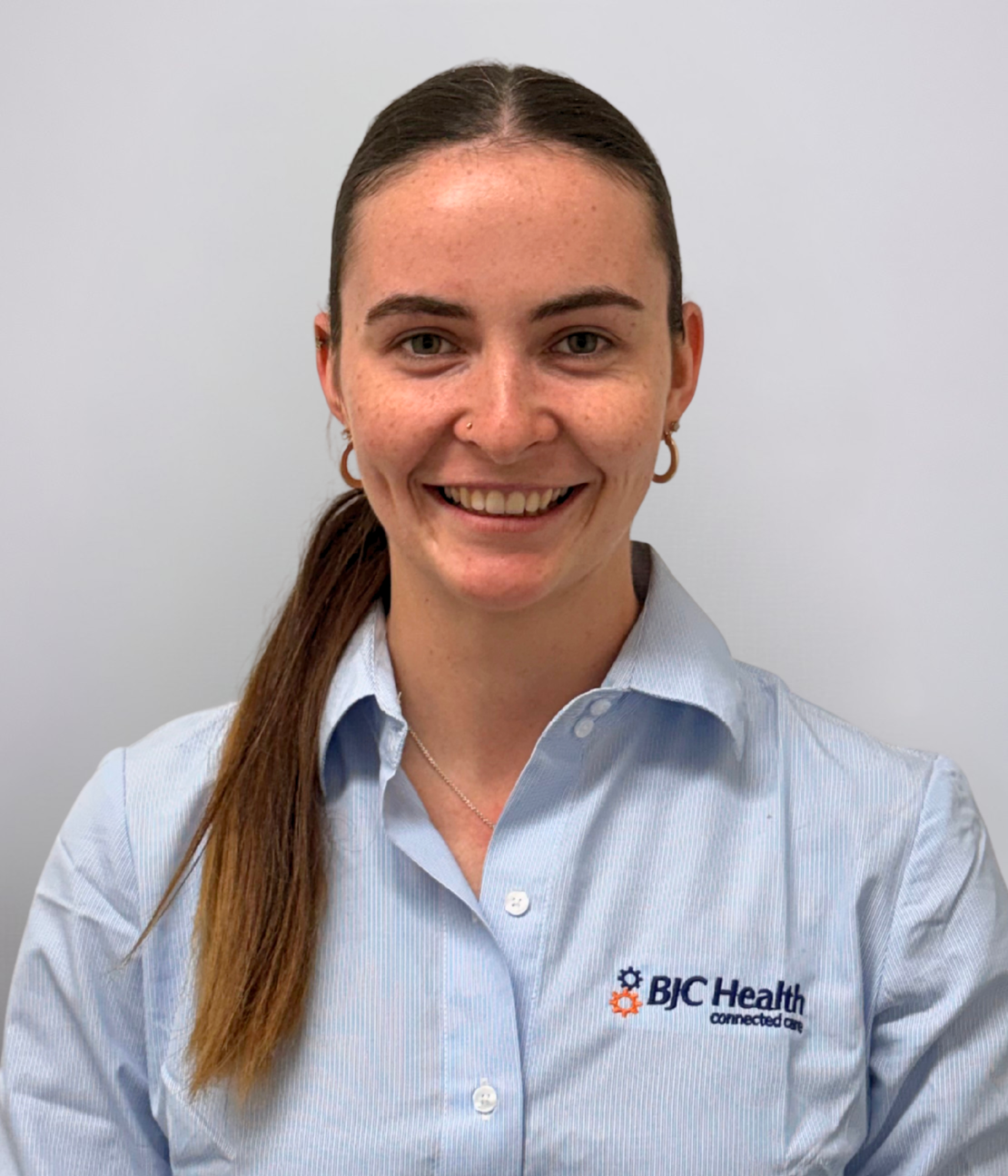
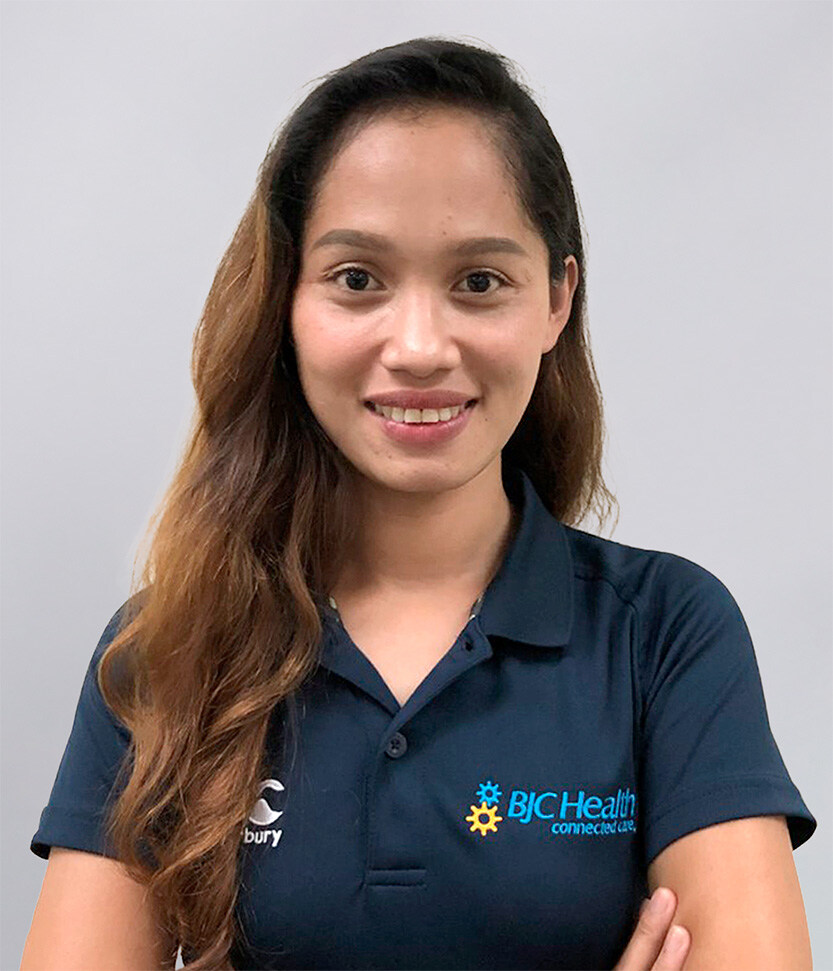
About Dr Elaine Ng

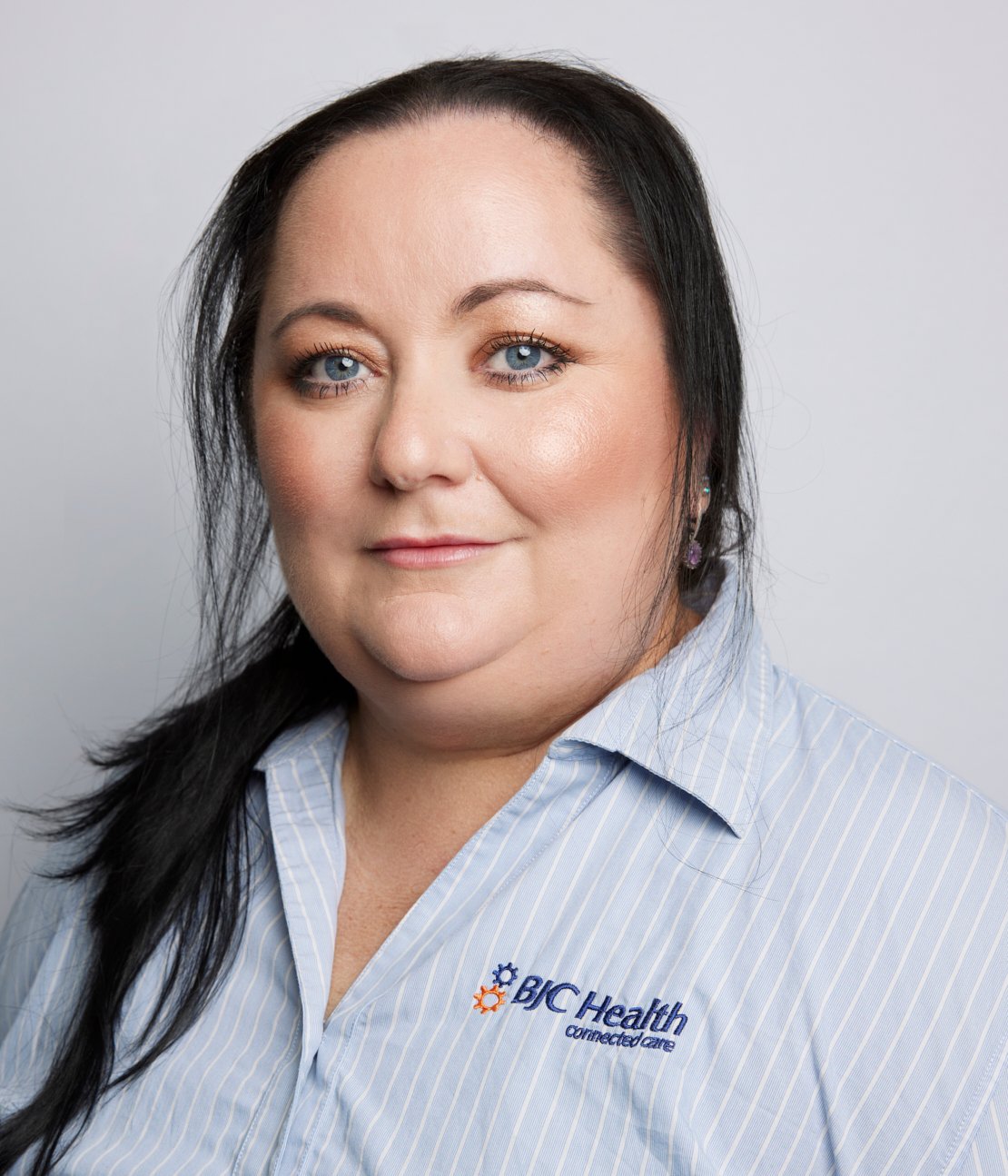
Elaine is a consultant rheumatologist. She has undertaken regional training in Wagga Wagga Base Hospital, and Rheumatology Training in Concord Repatriation General Hospital, Royal Prince Alfred Hospital, Liverpool Hospital and BJC Health. Working in several different sites has provided excellent exposure to a wide range of musculoskeletal, inflammatory and autoimmune conditions. She is proficient in performing nailfold capillaroscopy, and is learning how to use musculoskeletal ultrasound. Elaine is a compassionate clinician, and will work with you and your healthcare providers to develop an evidence based and holistic treatment plan, to help improve pain and quality of life.


In terms of her other interests, Elaine believes in the importance of visual information in patient education and empowerment. Using her unique skills in digital illustration, she is working on co-designing patient information resources with consumers and practitioners. Elaine also contributes to medical education at an undergraduate and postgraduate level. She currently holds teaching appointments at University of Sydney and University of New South Wales, and is a clinical mentor for training doctors preparing for specialist exams.


Outside of clinical work, Elaine enjoys keeping active, doodling on her iPad and exploring the Sydney food scene. 


Dr Elaine works as an independent practitioner consulting at BJC Health.

Learn About The Conditions We Specialize In

Learn More

BJC Connect Membership

Free Access to Live Events and Event Recordings and over 200 Resources.

Your BJC Connect Starter Account is free.  To access workshops and live guided exercise classes and other premium membership content please see details on our other memberships.


Create Account

Check out Connect Events

Wed 1 April 8pm!

Register to attend.  You will also get the live recording.

Protein: Do You Really Need More? A Practical Guide for Rheumatic Conditions

How can this event help me?

Building the right balance of nutrients can play a powerful role in supporting your health, particularly when you’re living with a rheumatic condition. Protein is often talked about as the key to strength, muscle maintenance and recovery, but how much do you really need? And does that change if you have inflammation, reduced activity, or are taking certain medications?

In this live online event, Dietitian Monica Kubizniak will shed light on the role of protein in rheumatic and musculoskeletal conditions and provide clear, evidence-based guidance tailored to real life. This session is designed for anyone wanting to better understand how protein fits into managing inflammation, preserving muscle mass, and supporting long-term joint health.

Join Monica for a practical discussion covering:

  • Do you really need more protein?
    Monica will break down current research on protein requirements, including how needs may differ for people living with rheumatoid arthritis, osteoporosis, osteoarthritis and other chronic conditions. You’ll learn how age, activity levels and inflammation influence protein needs.
  • Protein and muscle health
    Loss of muscle mass can occur with chronic inflammation, reduced movement or long-term corticosteroid use. Discover how adequate protein intake supports muscle maintenance, strength and physical function, and how this links to mobility and independence.
  • How much is enough and how to space it out
    Learn practical strategies for distributing protein evenly across the day to maximise muscle protein synthesis. Monica will explain what this looks like in everyday meals and snacks without relying on complicated tracking.
  • Food first: Practical protein sources
    Explore a range of whole food protein options including plant and animal sources. Monica will discuss the benefits of variety, protein quality, and how to build balanced meals that also support bone and cardiovascular health.
  • Do you need supplements?
    Protein powders and high-protein products are everywhere. Monica will help you understand when supplements may be useful, when they’re unnecessary, and how to choose wisely if they’re appropriate for you.

Join us on Wednesday, April 1st at 8:00 PM AEDT for this informative live virtual event. As always, we welcome your questions and discussions to make this an engaging and supportive experience for everyone.

Register to attend!