

Hypermobility
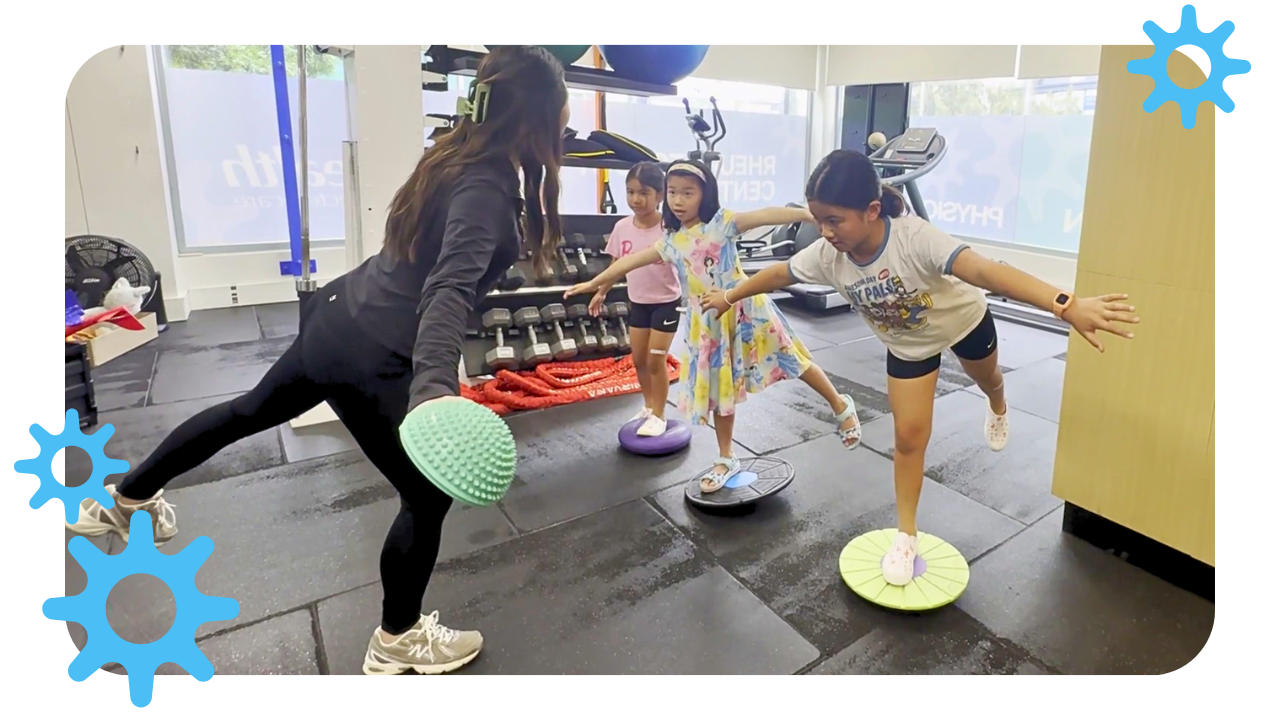

As a physiotherapist with a special interest in paediatric rheumatology, I regularly work with children living with Juvenile Idiopathic Arthritis (JIA). One thing I have seen time and time again is how much the timing of treatment and support can influence a child’s long term outcomes.
JIA is the most common form of inflammatory arthritis in children. Although medical treatments have improved significantly in recent years, early support for movement and physical development remains an important part of care.
Because children are still growing, their joints, muscles and movement patterns are constantly developing. As they learn new physical skills and participate in everyday activities, their bodies are adapting and strengthening. When joint inflammation occurs during these important developmental stages, it can influence how children move, build strength and develop confidence in their bodies.
Why early support can make a difference
If inflammation is not recognised and managed early, children may begin to develop stiffness, muscle weakness and reduced joint range of motion. Over time, this can affect how they move, participate in sport or play, and keep up with their peers.
In my clinical work, I sometimes meet adolescents or young adults who began treatment later in the course of their condition. By the time physiotherapy starts, they may already have lost some joint mobility or developed compensatory movement patterns as their bodies adapted to ongoing pain or stiffness. These patterns can be improved, but they often take time and consistent rehabilitation to address.
When JIA is recognised and managed earlier, outcomes can look quite different. Medication prescribed by paediatric rheumatologists helps control inflammation and protect the joints. Alongside medical care, physiotherapy focuses on maintaining joint mobility, building strength and supporting healthy movement as children continue to grow.
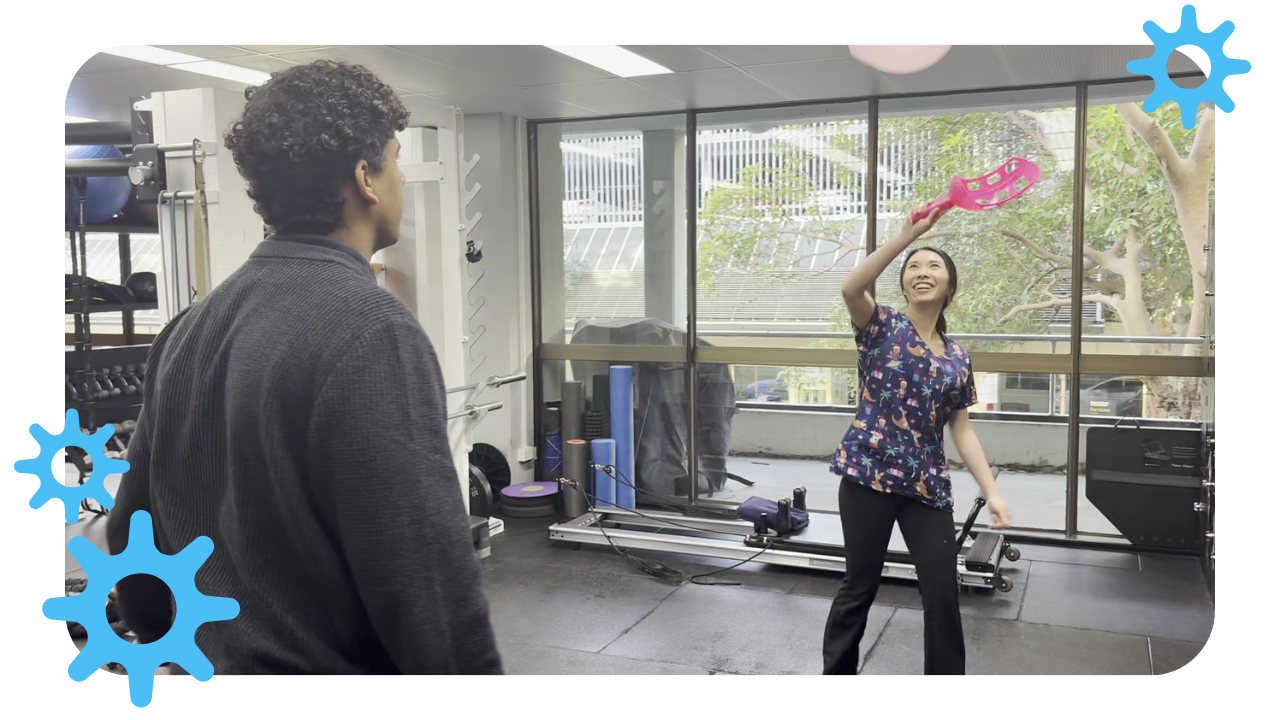
Just as importantly, children are encouraged to remain active in ways that feel safe and manageable. Movement plays an important role in maintaining joint health and helping children stay involved in the activities they enjoy.
Early support is not about pushing through pain. It is about protecting joints, guiding movement and helping families understand how to manage symptoms and flares along the way.
During JIA Awareness Week, it is a timely reminder of the importance of recognising inflammatory arthritis in children and ensuring they receive the right support early. With appropriate medical care, physiotherapy and guidance, many children with JIA can continue to stay active and participate fully in school, sport and everyday life.
At BJC Health, I work with children and families who are learning how to stay active and confident with movement while living with Juvenile Idiopathic Arthritis. Physiotherapy can play an important role alongside the care provided by paediatric rheumatologists, helping children maintain joint mobility, build strength and continue participating in the activities they enjoy as they grow.
.png?width=1280&height=720&name=Sleep%20and%20the%20Anxious%20Brain%20(header).png)