

Hypermobility
.png?width=1280&height=720&name=Plantar%20Fasciitis%20Rest%2c%20Stretch%20or%20Strengthen%20(header).png)

Plantar fasciitis is a condition affecting the tissue under your foot, often causing heel discomfort with walking and time on your feet. It’s not just about exercise. It tends to respond best to a structured approach, starting with relative rest and targeted hands-on treatment to settle symptoms, then progressing to gradual strengthening and a return to activity as the foot becomes more tolerant.
Most people describe a similar experience. The first few steps in the morning are often the most noticeable, with a sharp sensation under the heel that can last anywhere from a few steps to up to 30 or 45 minutes. As you move around, things usually ease.
Later in the day, especially after longer periods of standing or walking, the heel can feel more achy or start throbbing. It is also common to notice stiffness after sitting for a while, almost like the foot needs a moment to warm up again.
The tenderness is usually felt under the heel, often slightly differing depending on the structure of the foot. Even though the sensation is localised, what is happening is often influenced by the whole lower limb.
The plantar fascia is a thick band of tissue that runs along the bottom of the foot, connecting the heel to the toes. Its role is to support the arch and help with movement as you walk.
When this tissue is asked to do more than it is prepared for, it can become sensitive and sore. This usually happens when there has been a change in activity. For example, increasing walking, starting a new exercise routine, or even changing footwear can shift how the muscles and tissues in the foot work.
There are also a few factors that can contribute over time, including age, foot structure, time spent on your feet, and general strength through the lower limb. Tightness through the calf or Achilles tendon can also increase the demand on the plantar fascia.
Even thoughpain is often felt in the heel, the plantar fascia is part of a connected system that runs up the leg. The calf, hamstring, and hip all play a role in how force moves through the body.
If there is tightness or reduced strength anywhere along this chain, the foot can end up taking on more work. This is why management often looks beyond the heel and includes the whole lower limb.
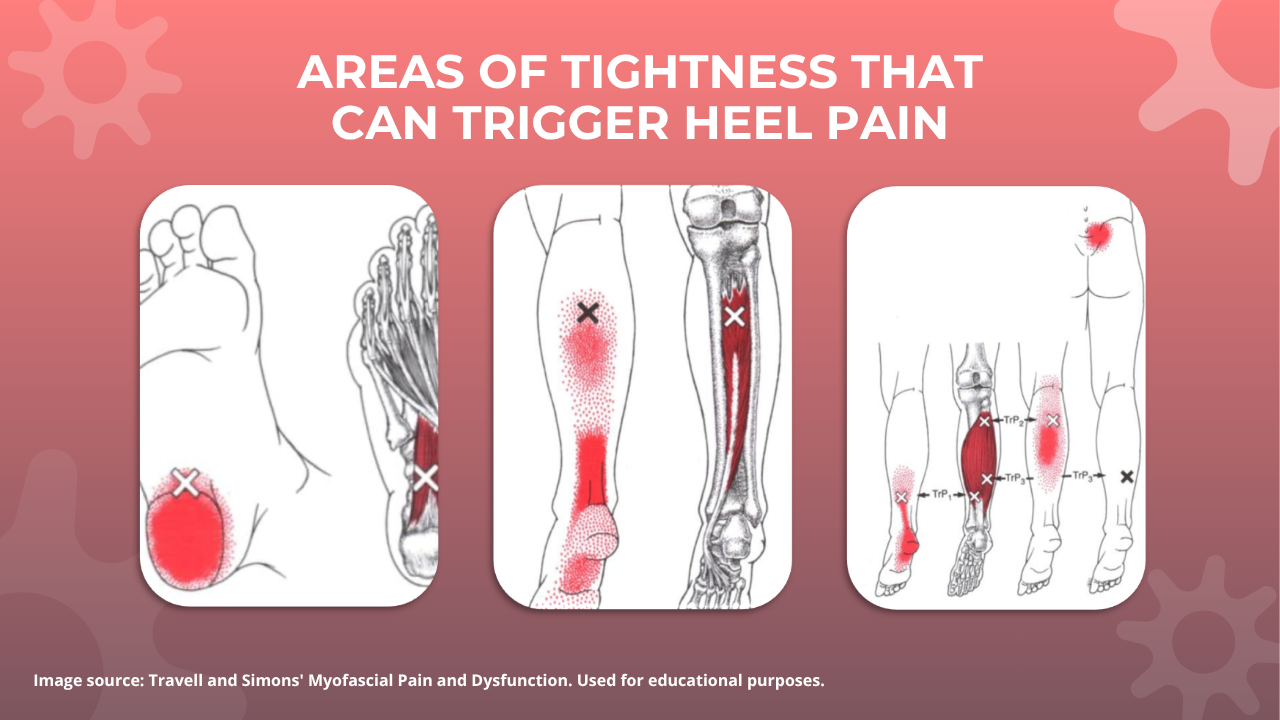
You might have heard about trigger points, which are tight spots in muscles that can refer sensation to other areas. For example, a tight calf can sometimes recreate that familiar feeling in the heel.
For people living with inflammatory arthritis, heel symptoms can sometimes reflect changes in overall inflammation levels rather than just a local issue.
One pattern that can stand out is when both heels are affected at the same time. This can suggest that the symptoms are being driven more by inflammation in the body, rather than just load through the foot. In these cases, it can be helpful to speak with a rheumatologist, as improving control of inflammation can make a noticeable difference to heel symptoms. A combined approach, looking at both medical management and physical strategies, is often the most effective way forward.
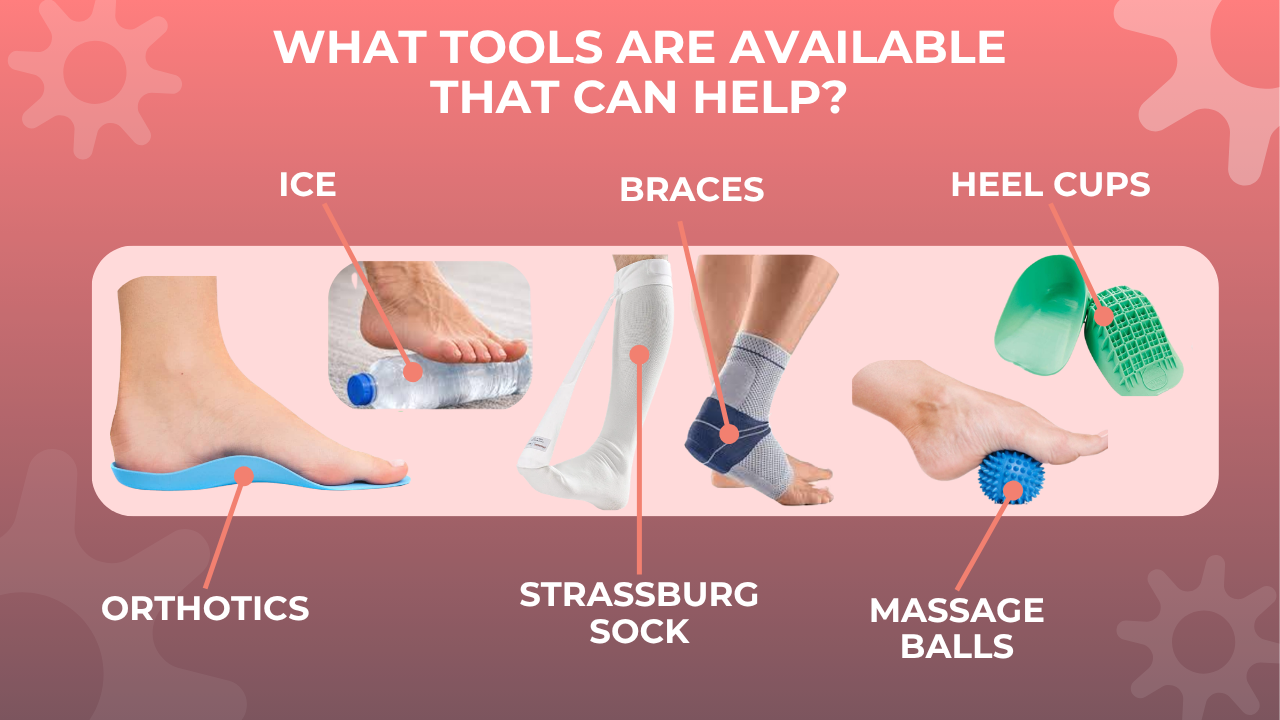
Early on, the focus is on helping the foot feel more supported so you can keep moving through your day more comfortably. There are a number of simple strategies that can help reduce symptoms while you build back up:
You do not need to use all of these at once. Often, a combination of one or two that suit your routine can make a noticeable difference.
This is one of the most common questions, and the answer usually sits somewhere in the middle.
Taking a break from activities that flare things up can be helpful, but complete rest is rarely the full solution. The foot still benefits from gentle, regular movement.
Stretching, particularly through the calf, can reduce tension and make movement feel easier. At the same time, strengthening helps the plantar fascia and surrounding muscles handle load more confidently.
Rather than choosing one approach, it is about combining them in a way that suits your current stage. Finding that balance between staying active and not overdoing it is often where progress happens.
If you do choose to seek support, a physiotherapist can help guide this process. This may include looking at how much time you are spending on your feet, helping you build strength gradually, and identifying any tightness or movement patterns that may be contributing.
They can also help tailor exercises and adjust your plan over time, especially as you start returning to the activities that matter to you.
Early exercises are usually simple and build over time. A common starting point is calf raises, which may begin as gentle holds before progressing to full movement. Rolling the foot or calf with a ball can also help ease tension and improve mobility.
As things improve, exercises often expand to include the rest of the leg. Movements like squats or step-ups help build strength through the hips and knees, which in turn supports the foot.
Consistency tends to be more helpful than intensity here. Regular, manageable sessions often work best.
.png?width=1280&height=720&name=Plantar%20Fasciitis%20Rest%2c%20Stretch%20or%20Strengthen%203%20(2).png)
As the foot becomes more comfortable, the focus shifts to gradually returning to the activities you enjoy.
This is where pacing becomes important. Increasing how long you are active before increasing intensity is often a helpful approach. Paying attention to how the foot feels the next morning can give a useful guide for progression.
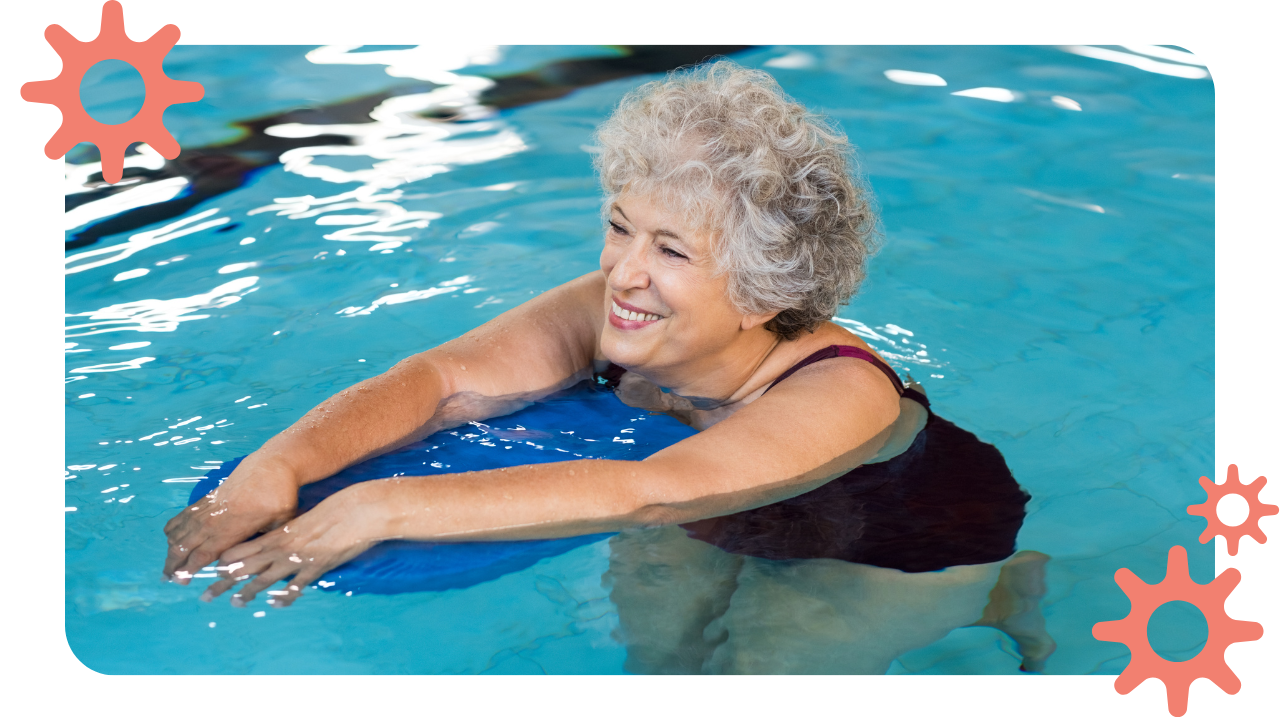
Low-impact options like swimming or cycling can also be helpful during this phase, allowing you to stay active while reducing pressure through the foot.
Plantar fasciitis responds well to a combination of support, movement, and gradual strengthening. It is less about stopping activity and more about guiding it in a way that helps the body adapt.
If there is one key message, it is this: you do not have to choose between rest, stretching, or strengthening. When used together and progressed steadily, they create the best environment for recovery and long-term confidence in your movement.
 This article is based on Physiotherapist Belinda Prince's talk on Plantar Fasciitis: To Rest, Stretch or Strengthen? Watch the complete session by clicking here.
.png?width=94&height=110&name=Belinda%20Prince%20(transparent%20circle).png)
Looking for help with your pain or injury? Book an appointment with Belinda for an individual assessment and tailored treatment plan.
.png?width=1280&height=720&name=Sleep%20and%20the%20Anxious%20Brain%20(header).png)