

Hypermobility
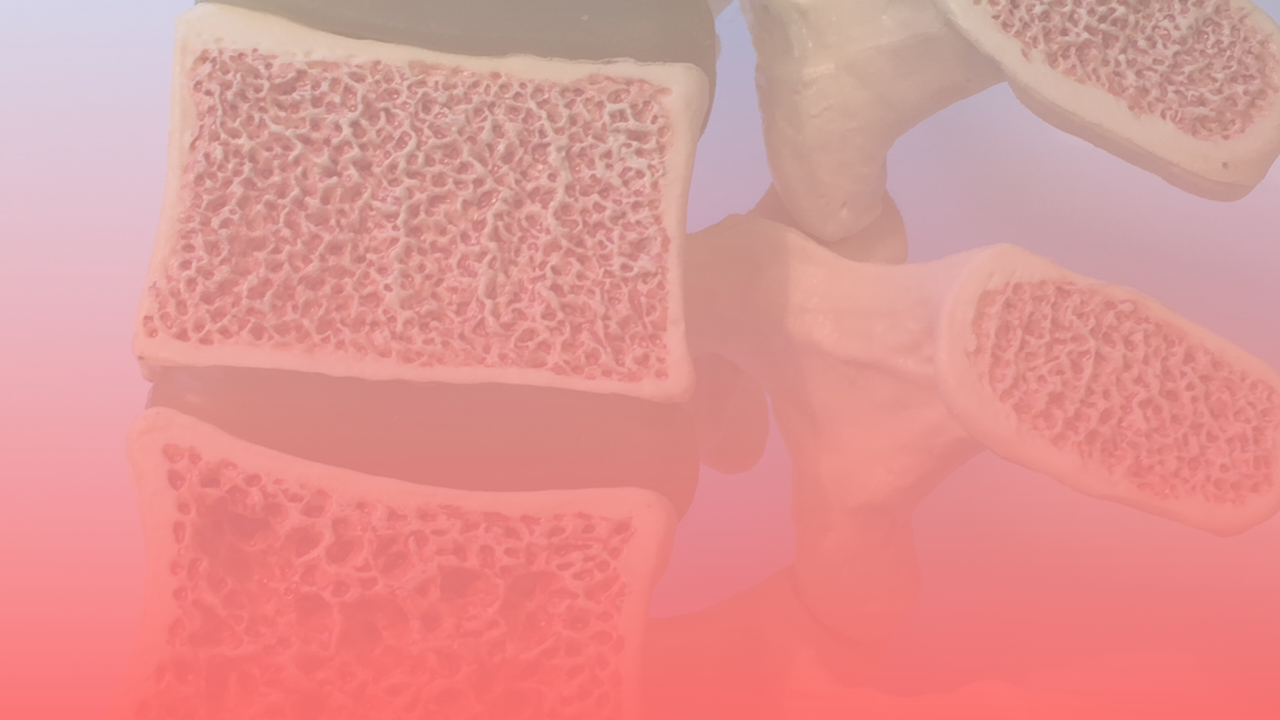

Osteoporosis is a condition I see every day in my work as an endocrinologist, and it remains one of the most rewarding areas to help people understand. Once you know what is happening inside the bone and why fractures occur more easily, the treatment options become far less intimidating. My aim is to explain the medication options available for osteoporosis in a clear and practical way, so you feel informed and supported as you consider what might be suitable for your situation.
At its core, osteoporosis means there is less bone than your body needs. When you look at healthy bone tissue under magnification, the structure appears strong and relatively full. When osteoporosis is present, you can see more spaces and less bone, indicating lower bone density.
We also diagnose osteoporosis when a person experiences a minimal trauma fracture. For example, a simple trip that results in a wrist fracture or a small strain that leads to a spinal fracture. These fractures happen with forces that would not normally break a bone, which tells us the bone is fragile.
Once we understand that bone is either too thin or more vulnerable to breaking, the treatment categories start to make sense.
.png?width=1280&height=720&name=Medication%20Options%20for%20Osteoporosis%20Slide%20(4).png)
All medications used to treat osteoporosis fall into one of three groups:
🟠 Anti resorptive medications
🟠 Anabolic medications
🟠 Estrogen based medications for women
These treatments slow down the cells that break down bone, known as osteoclasts. In osteoporosis, bone is broken down faster than it is built, so slowing this process helps prevent further loss.
Bisphosphonate tablets
The most commonly prescribed options are allendronate, known by the brand name Fosamax, and risedronate, known as Actonel. These are taken either weekly or monthly.
To reduce the chance of reflux or heartburn, I advise people to:
🟠 Take the tablet first thing in the morning
🟠 Remain sitting upright
🟠 Have a full glass of water
🟠 Avoid food and drink for 30 minutes
If taken correctly, many people tolerate these tablets quite well.
Other considerations include the possibility of low calcium if vitamin D levels are low and very rare complications such as osteonecrosis of the jaw or atypical femur fractures. Treatment is usually continued for three to five years before reviewing whether it is still needed.
Zoledronic acid infusion
Zoledronic acid, known as Aclasta, is a bisphosphonate given once a year as an intravenous infusion. This is a good option for people who find tablets difficult to tolerate.
The most common reaction is a flu like illness after the first dose, which can include fever, headaches, and muscle aches for a few days. I usually recommend drinking plenty of water before the infusion and taking paracetamol, which seems to reduce the likelihood of these symptoms.
Zoledronic acid is highly effective, but like the tablets, it carries rare risks that need monitoring.
Denosumab
Denosumab, known as Prolia, is a six monthly injection given just under the skin. It is very effective and usually well tolerated.
The most important message with Prolia is that it must not be stopped suddenly or delayed for too long. If the effect of the medication wears off unexpectedly, there is a risk of multiple spine fractures. Because of this, I often discuss Prolia as a long term treatment unless we plan a carefully supervised transition to another medication.
Side effects can include mild injection site reactions, occasional cramps, or low calcium if vitamin D is low. The rare jaw and femur complications mentioned earlier can also occur, but again they remain uncommon.
Rare but important side effects
Two rare complications can occur with long term anti resorptive therapy. I always explain these to help people make informed decisions.
🟠 Osteonecrosis of the jaw
This affects roughly one in one thousand people after several years of treatment. It is more likely if a tooth is extracted while on medication. For this reason, I recommend letting your dentist know if you are receiving osteoporosis treatment and ideally completing major dental work before starting certain medications.
🟠 Atypical femur fracture
These fractures occur in the middle of the thigh bone and are also very rare. They can happen when someone has been on treatment for a long time and the bone becomes overly suppressed. New or unusual thigh pain is something I always encourage patients to report. Regular reviews after several years of treatment help minimise this risk.
.png?width=1280&height=720&name=Medication%20Options%20for%20Osteoporosis%20Slide%20(32).png)
These medications build new bone by stimulating the cells that form bone, known as osteoblasts. They are used when someone is at higher risk or when anti resorptive treatments are not enough.
Romosozumab
Romosozumab, known as Evenity, is given as two injections once a month for a year. It works by building new bone quickly in the first several months and then also acting as an anti-resorptive later in the course.
It is a strong option for people at very high risk of fracture, but there are a few important limitations. It cannot be used in people with a history of heart attack or stroke. It is also a once in a lifetime medication under current guidelines. After the twelve months are complete, an anti resorptive medication is required to maintain the improvements.
Some people experience joint aches, headaches, or mild injection site reactions. In my experience, these effects are usually manageable.
Teriparatide
Teriparatide, known as Forsteo, is a daily injection for eighteen months. It is reserved for people who have tried an anti resorptive treatment but have not responded well.
Because it is taken every day, people need to feel comfortable giving their own injections. Side effects tend to appear in the first month and include nausea, dizziness, headaches, and sometimes discomfort at the injection site. These usually improve with time. After the course finishes, an anti resorptive is needed to preserve the bone that has been built.
Menopause hormone therapy
After menopause, estrogen levels fall and bone loss accelerates. Hormone therapy replaces some estrogen and helps protect bone density. It also improves menopausal symptoms, which is often a meaningful benefit.
Hormone therapy is not suitable for everyone. It needs to be used carefully in people with a history of breast or ovarian cancer, clotting conditions, migraines with aura, liver disease, or uncontrolled high blood pressure.
Side effects such as nausea, breast tenderness, and fluid retention often settle within a few months.
Raloxifene
Raloxifene acts like estrogen on the bone but not on other tissues. It is mainly helpful for spinal bone density. It can trigger hot flushes or increase clot risk, so it is important to consider this when choosing treatment.
Tibolone
Tibolone is a popular option after menopause because it supports bone health and often improves libido and menopausal symptoms
There is no single treatment that suits everyone. When I help someone choose a medication, I take into account their bone density results, history of fractures, age, other medical conditions, ability to tolerate certain side effects, and practical considerations such as cost.
We also use tools to help quantify risk, including:
FRAX estimates the chance of having a fracture in the next ten years and can guide whether treatment is recommended. The cardiovascular risk calculator is particularly important if we are considering medications that may influence cardiovascular risk.
The most important goal is preventing fractures in the future. Stronger bones allow people to move more confidently and maintain independence, which is ultimately what matters most.
.png?width=1280&height=720&name=Medication%20Options%20for%20Osteoporosis%20Slide%20(33).png)
.png?width=1280&height=720&name=Medication%20Options%20for%20Osteoporosis%20Slide%20(34).png)
Osteoporosis can feel complex at first, but there are many effective treatments and most people do very well once the right option is chosen. If you have concerns about a medication, are experiencing side effects, or are unsure about changing treatment, please speak with your doctor so the decision can be made safely and thoughtfully.
I hope this overview helps you feel more informed about the choices available. With the right treatment plan, it is very possible to maintain strong and resilient bones for many years to come.
.png?width=1280&height=720&name=Sleep%20and%20the%20Anxious%20Brain%20(header).png)