

Hypermobility
.png?width=1280&height=720&name=Beyond%20Diet%20and%20Exercise%20Understanding%20Weight%20Loss%20Medications%20blog%20image%20(1).png)

By Dr Cellina Ching, Endocrinologist
Weight is a common topic in clinic: whether someone is trying to lose it, manage it, or understand its role in their overall health. Food choices, physical activity, and sleep all contribute, but sometimes additional support is needed. Many people now ask about weight loss medication, including what counts as effective weight loss medication and what the best weight loss medication might be for their situation.
In a recent BJC Health Lifestyle session, I spoke about the biological systems that influence weight, why weight loss can be challenging even with consistent effort, and how weight loss drugs in Australia may support people when lifestyle approaches alone aren't enough.
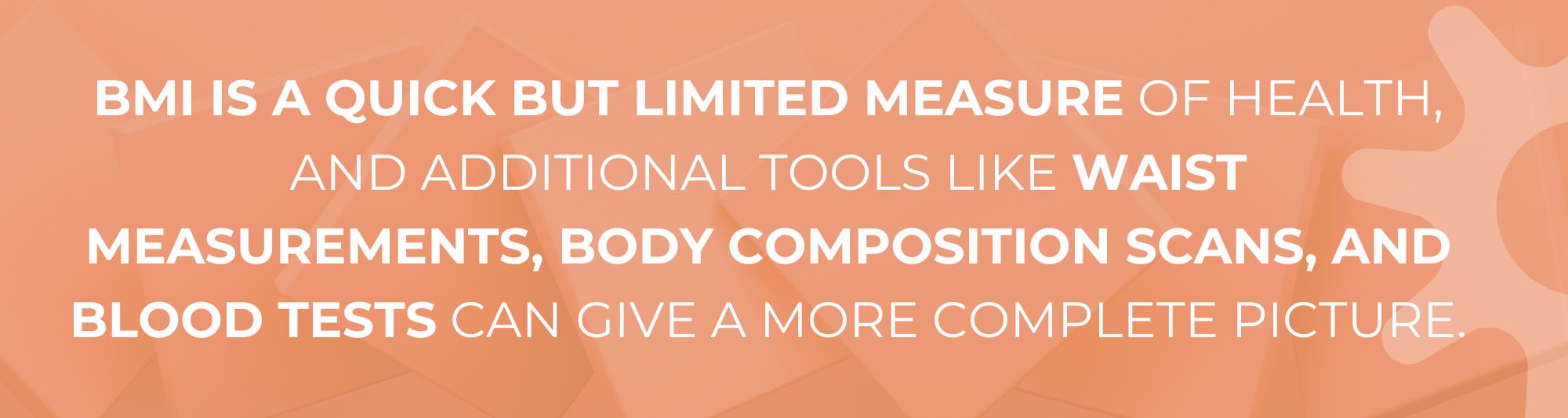
BMI (Body Mass Index) is a common tool for assessing weight relative to height. It’s widely used because it’s quick and simple, but it has its limitations. It doesn’t distinguish between fat and muscle, and it doesn’t account for factors like ethnicity, pregnancy, or fluid-related conditions.
Other markers, such as waist circumference or body composition scans, can often provide a more detailed picture of how weight may be impacting health. In some situations, blood tests are also helpful for assessing cholesterol, blood sugar, or liver function.
These additional assessments help build a more complete view of a person’s health beyond just weight alone.
Obesity is now understood as a chronic disease influenced by a range of factors, including hormones, brain signalling, metabolism, and genetics. The body has built-in systems that aim to keep weight stable, and these systems can be difficult to override.
Signals from the gut and fat tissue help regulate hunger, satiety, and energy use. These evolved as survival mechanisms during times of food scarcity, but in today’s environment where calorie-dense food is readily available, they can work against weight loss efforts.
It’s common in clinic to meet people who have made consistent, thoughtful changes to their diet and activity, yet see only small or gradual shifts in weight. This often reflects how actively the body works to maintain its set point through biological regulation.
Even with the challenges involved in weight regulation, nutrition, physical activity, and sleep continue to play a central role in overall health.
A focus on whole foods, fibre, lean protein, and limiting ultra-processed options can improve satiety, support blood sugar control, and benefit general wellbeing. Daily movement helps preserve muscle mass and maintain metabolism. Sleep also plays a role, as poor sleep can influence appetite, cravings, and decision-making around food.
These lifestyle factors are always worth supporting. But if progress stalls despite consistent effort, it may be time to consider whether prescription weight loss drugs could be a helpful next step.
Medications can help reduce some of the biological resistance that often arises during weight loss. While they’re not a replacement for healthy habits, weight loss medication in Australia may support people when those habits are no longer producing results on their own.
Some medications reduce appetite, others decrease cravings or slow digestion so that meals feel more satisfying.
Here’s a quick overview of what’s currently available:
Orlistat (Xenical): Blocks fat absorption. Works best for individuals consuming higher-fat diets. Digestive side effects are common.
Contrave: Reduces appetite and cravings. Side effects may include nausea, headache, or changes in blood pressure.
Duromine (Phentermine): A stimulant that suppresses appetite. Can raise heart rate or cause anxiety in some people. Many people now compare Duromine vs Ozempic when exploring different options.
Topiramate: Originally used to treat epilepsy, but also reduces appetite. Some people may experience cognitive side effects like brain fog.
On average, these medications lead to 3–7% weight loss over time. For some people, even modest reductions like this can result in meaningful health improvements.
The most recent attention has focused on injectable options like semaglutide (Ozempic for weight loss, Wegovy for weight loss) and tirzepatide (Mounjaro for weight loss). These medications mimic gut hormones that influence appetite and digestion, helping people feel full sooner and stay full longer.
Many people search for information on Ozempic Australia, GP prescribing Ozempic, and alternatives to Ozempic, reflecting growing interest in these treatments.
Clinical studies have shown weight loss between 15% and 22% over a year. Side effects such as nausea, reflux, or bloating are relatively common early on but tend to settle with time and gradual dose increases.
Currently, these injectables aren’t subsidised for weight loss in Australia (Ozempic is listed on the PBS for type 2 diabetes), which can affect weight loss medication cost and accessibility for some people.
It’s also important to note that in clinical trials, these medications were always used alongside lifestyle strategies and not as stand-alone treatments.

The duration of medication use varies from person to person. Some people may use it for a defined period before tapering off. Others may stay on a lower maintenance dose to help prevent weight regain.
In some cases, stopping medication may lead to some regain, though this isn’t always the case, especially if strong nutrition and movement habits have been established. Research is ongoing to explore the most effective ways to support long-term weight maintenance, including the use of lower ongoing doses.
Medication is generally considered after several months of consistent lifestyle changes haven’t resulted in meaningful weight changes. Some weight loss medications can be prescribed by a GP, while more complex cases such as those involving insulin resistance or hormonal conditions may benefit from a referral to an endocrinologist.
In my clinic, I typically look at:
What lifestyle changes have been tried and how effective they’ve been
Relevant blood test results, including cholesterol, insulin, and liver function
Any medications currently being taken that may affect weight
Current patterns around eating, movement, and sleep
Health goals, both related to weight and overall wellbeing
From there, we work together to decide whether medication might be a helpful part of the overall approach.
There’s a growing amount of research in this area. New weight loss medications are being developed that act on different hormonal pathways, offer fewer side effects, or require less frequent dosing. Some are also being studied for potential use in areas like food addiction or alcohol misuse.
It’s clear that medications will continue to play a role in obesity treatment, and that the medical understanding of weight is becoming more nuanced and evidence-based.
At the same time, medications alone don’t address every aspect of health. Building strength, improving nutrition, supporting mental wellbeing, and managing stress still require a broader support system. That’s where working with a team: dietitians, exercise physiologists, psychologists...can make a difference.

Managing weight isn’t always straightforward, and in many cases, it involves more than just lifestyle. The body’s biology plays a strong role in how weight is gained and lost, and weight loss medication may help support that process when used appropriately.
Ultimately, the goal goes beyond numbers on a scale. It’s about improving health, supporting daily function, and helping people feel more at ease in their own bodies.
Keen to learn more about how weight loss medications fit into your health journey? You can watch Dr Cellina Ching’s full session for a clear, practical look at how these medications work, who they can help and what to consider before starting. Click here to start watching.
.png?width=1280&height=720&name=Sleep%20and%20the%20Anxious%20Brain%20(header).png)