

Hypermobility

By Monica Kubizniak, Dietitian
Nutrition plays a steady and supportive role in managing osteoporosis, especially for people living with low bone density or wanting to slow osteoporosis progression. While medication is often essential, the way you eat each day can help create a strong foundation for treatment and support your bones, muscles and overall confidence in movement. A balanced, enjoyable approach usually works best, and it should feel like part of everyday life rather than a strict regime.

Bones continuously remodel themselves throughout life, with bone density changing as they break down and rebuild in response to age, hormones, stress and nutrition. When key nutrients are consistently low, this rebuilding process becomes less efficient, which can contribute to low bone density and increase future fracture risk. Many people first learn they have osteoporosis after noticing subtle osteoporosis symptoms such as back discomfort, height loss or increased fragility. Nutrition alone will not replace osteoporosis treatment or osteoporosis medicine prescribed by your clinician, but it can support bone strength, muscle function and overall wellbeing.
Calcium is the structural base of bone. Adults generally need 1000–1300 mg per day, depending on age and life stage. Many people fall short without realising it, especially if they rely on foods that are not naturally rich in calcium.
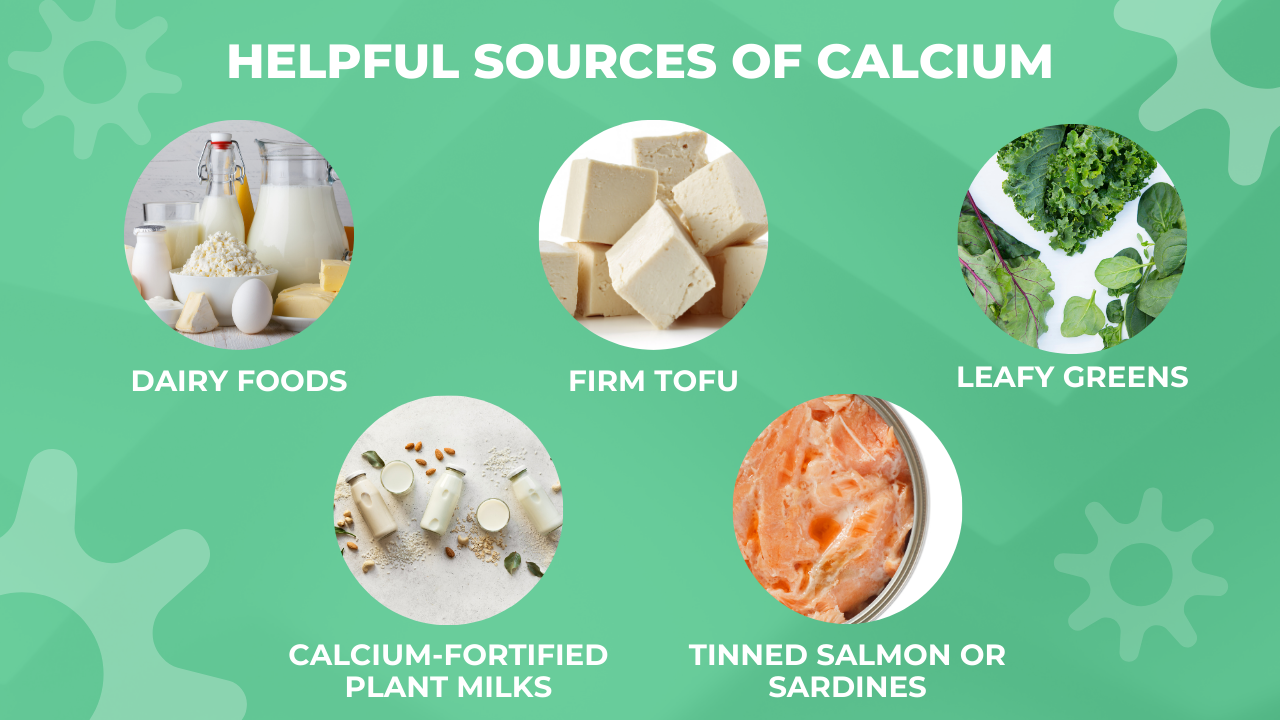
Helpful sources of calcium in our food include:
Calcium is absorbed best when it appears in small amounts across meals. People who avoid dairy may need to be especially mindful of fortified products. When regular intake is difficult, your healthcare provider may recommend supplementation as part of your osteoporosis treatment plan.
Vitamin D plays a crucial role in bone health because it enables the body to absorb and use calcium properly. Without enough vitamin D, even a diet rich in calcium will not be used as effectively, which can limit the body’s ability to rebuild and maintain strong bones. Low vitamin D levels are extremely common, especially for people who spend most of their day indoors, cover up for sun protection, or receive limited sunlight in winter. Maintaining adequate levels is one of the simplest and most impactful steps you can take for bone health.
Important points include:
Vitamin D sprays can be a convenient option for people who prefer not to take tablets or have trouble swallowing them. A single spray can deliver a standard dose and absorption is generally similar to capsules. The most important part is choosing a form that feels easy to take consistently so levels remain steady throughout the year.
Protein supports muscle and bone tissue, and strong muscles are crucial for balance, posture and fall prevention. Many people eat most of their protein at dinner and very little earlier in the day, which limits the steady supply needed for bone repair and muscle strength.
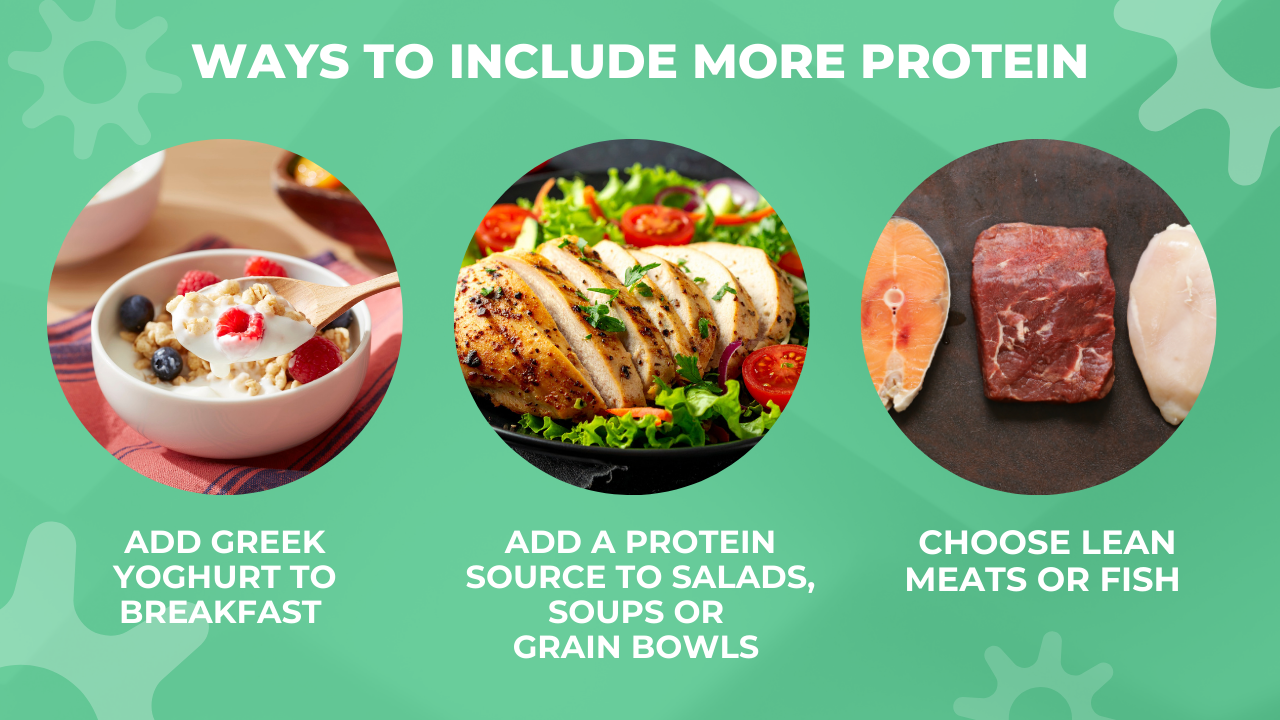
You can boost bone density more effectively by including protein at each meal. Helpful ideas include:
Plant-based eaters can combine different protein sources to achieve a good spread of amino acids. Small additions like an extra spoon of yoghurt, a handful of nuts or a couple of boiled eggs can make a meaningful difference.
Magnesium, potassium and vitamin K all contribute to bone health in different ways. Magnesium supports bone structure and is found in nuts, seeds, legumes and whole grains. Potassium, which is present in fruits, vegetables and beans, may help reduce calcium loss. Vitamin K, found in leafy greens such as kale and spinach, supports bone mineralisation. Eating a variety of whole foods naturally brings in these nutrients without the need for complex tracking.
High caffeine intake can slightly increase calcium losses, but the effect is small when calcium intake is adequate. Keeping caffeine to around 300 mg per day is a reasonable guideline. This is roughly two to three regular coffees. Strong café coffees, large iced coffees and energy drinks can contain much more. Coffee does not need to be avoided. Simply balance it with foods for bone density and consistent calcium intake throughout the day.
A bone-healthy diet does not need to be complicated. Most people find it easier to increase bone density by focusing on consistent habits rather than dramatic changes. These steps fit easily into everyday routines and gradually support stronger bones over time.
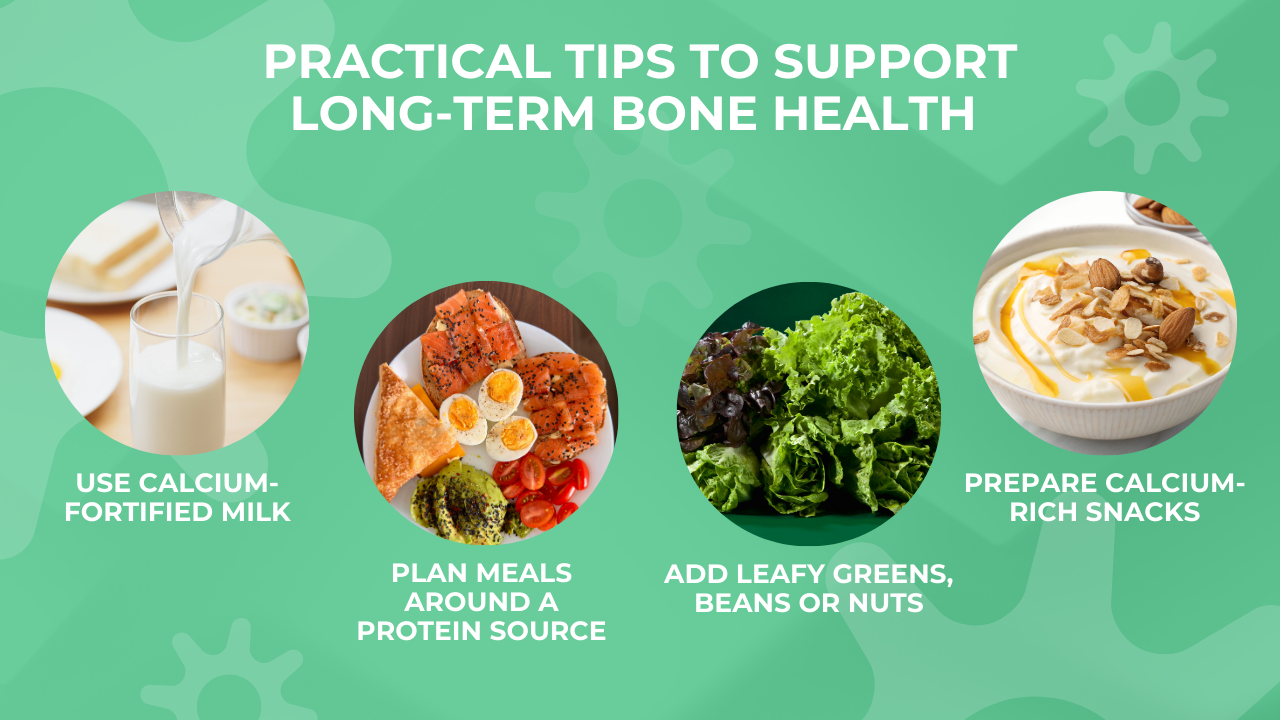
Helpful ideas include:
Examples include:
Small habits like these help support bone strength whether you are newly diagnosed, managing osteoporosis pain or trying to fix low bone density gradually and safely.
Some people benefit from supplements, particularly those with limited appetite, dietary restrictions, low sunlight exposure or confirmed deficiencies. In these cases, calcium or vitamin D supplements can complement osteoporosis medications as part of a broader treatment plan. Speak with your healthcare team to ensure supplementation is tailored to your needs.
Supporting your bones through nutrition is about simple habits that fit into everyday life, alongside regular check-ins like having a bone density test to understand how your bones are tracking. With a mix of calcium, vitamin D, protein and a variety of bone-density foods, you can help increase bone density over time and feel more confident in managing osteoporosis. When combined with movement, medication and ongoing care, nutrition becomes a reliable and empowering part of staying well.
Want to continue learning about how food can support your bone health? You can watch Monica’s complete presentation on her dietary recommendations for optimising bone density for a more in-depth look at calcium, vitamin D, protein and everyday habits that make a real difference by clicking here.
.png?width=1280&height=720&name=Sleep%20and%20the%20Anxious%20Brain%20(header).png)