

Hypermobility
.png?width=1280&height=720&name=Strength%20Training%20for%20Beginners%20(banner).png)

If you've been thinking about starting strength training but aren't quite sure where to begin, you're not alone. It's one of the most common topics we deal with as EP's at BJC Health. Whether you're completely new to strength training, returning after a break, or wondering if it's something that's right for you, there are often plenty of questions that come up before taking that first step.
People frequently wonder whether strength training will help or aggravate an existing condition, whether they need to join a gym, or whether they've left it too late to start. The encouraging news is that strength training can be adapted to suit a wide range of people, abilities, and health conditions. No matter where you're starting from, there is always a place to begin.
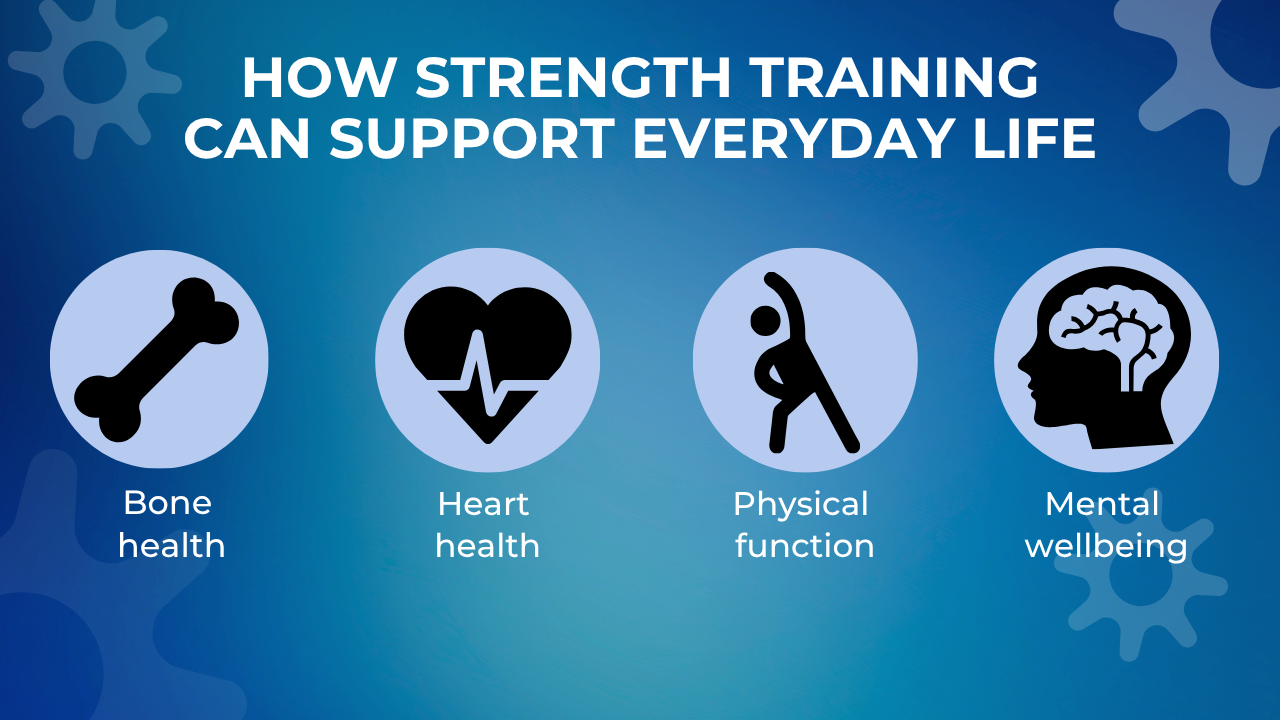
When people hear the term "strength training", they often think about building muscle. While that is certainly one benefit, strength training supports many aspects of health and wellbeing. Research continues to show that it can have a positive impact on:
For many people, the most meaningful benefits are the ones they notice in everyday life. Strength training can make it easier to get up from a chair, carry shopping bags, climb stairs, lift luggage when travelling, or spend time playing with grandchildren. These everyday tasks are often what help us maintain our independence and continue doing the things we enjoy, which is why strength training can be such a valuable investment in our long-term health.
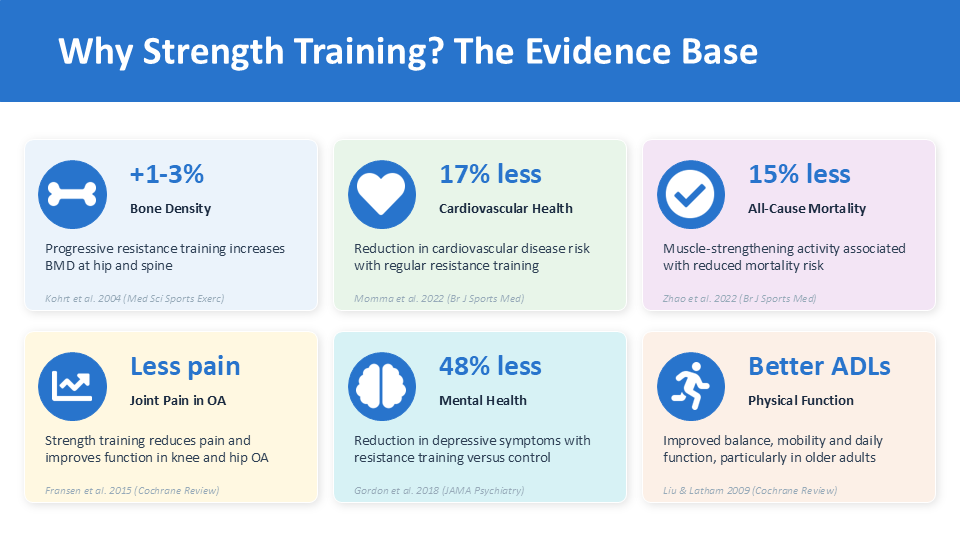
One of the biggest myths surrounding strength training is that it's something best suited to younger people. Many people assume there is a point where strength training is no longer worthwhile or that they've missed their opportunity to benefit from it. In reality, our bodies continue to respond positively to strength training throughout life.
We recently spoke with a client in his mid-eighties who wondered whether it was too late for him to begin. The answer was a clear no. While everyone's starting point will look different, people can improve their strength, confidence, and physical capacity at many different stages of life. What matters most is finding an approach that matches your current abilities and allows you to progress safely over time.
One of the reasons strength training can feel overwhelming is that people often go looking for the perfect beginner's program. The reality is that there isn't one program that suits everyone. We all have different goals, different medical histories, different levels of experience, and different lifestyles. What works brilliantly for one person may not be the best fit for someone else.
That's why understanding your own goals is such an important place to start. Perhaps you'd like to get down on the floor to play with your grandchildren, feel more confident walking longer distances, or make travelling a little easier. Having a clear reason for exercising helps shape the type of program that's right for you and often makes it easier to stay motivated when life gets busy.

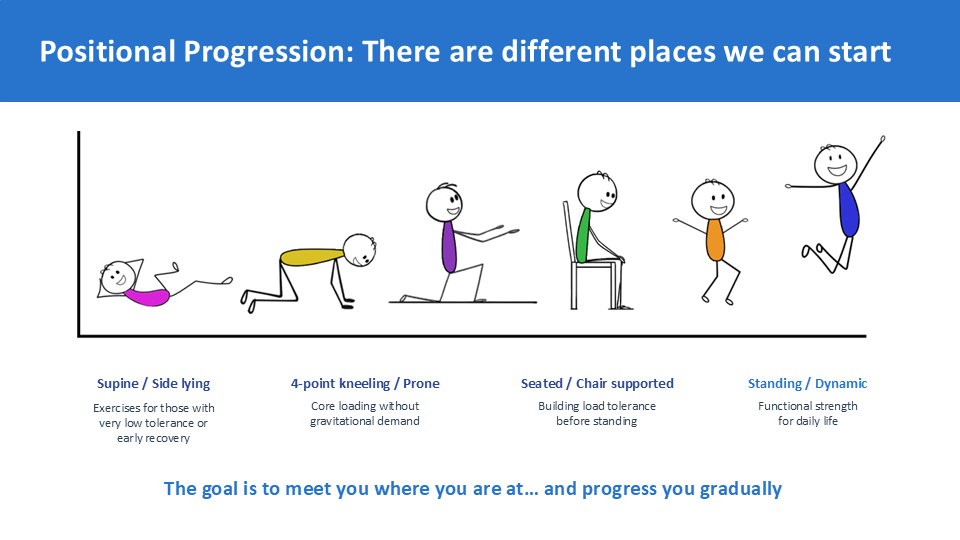
A common assumption is that strength training has to start with standing exercises, heavy weights, or long gym sessions. In reality, a good starting point is simply one that matches your current capacity. For some people, that may be standing. For others, it may involve sitting in a chair or performing exercises while lying down.
The position you're exercising in can have a significant impact on how your body responds. Someone experiencing fatigue, pain, or reduced confidence may find seated or supported exercises a much more comfortable way to begin. Strength training isn't about forcing yourself into the most challenging option straight away. It's about finding a starting point that allows you to build confidence and gradually progress over time.
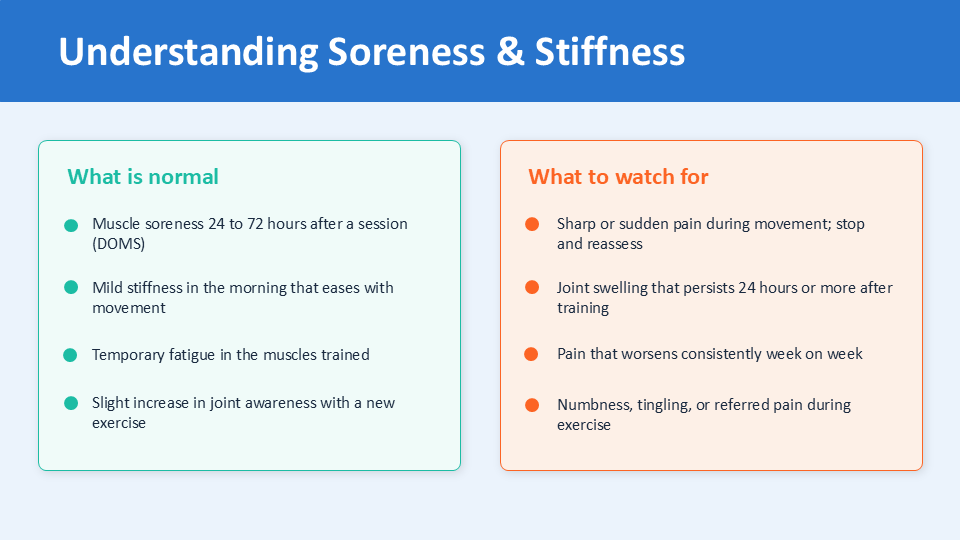
Learning strength training is a lot like learning any new skill. Whether it's learning a musical instrument, taking up a new hobby, or trying something completely unfamiliar, it often feels awkward at first. There can seem like a lot to think about, and it's completely normal to need time to develop confidence with new movements and equipment.
This is one reason guidance can be so valuable in the early stages. Having someone explain exercises, provide feedback, and answer questions can help remove much of the uncertainty. Confidence tends to grow through repetition and practice, and many people find that movements which once felt unfamiliar eventually become second nature. The key is giving yourself permission to be a beginner and allowing yourself time to learn.
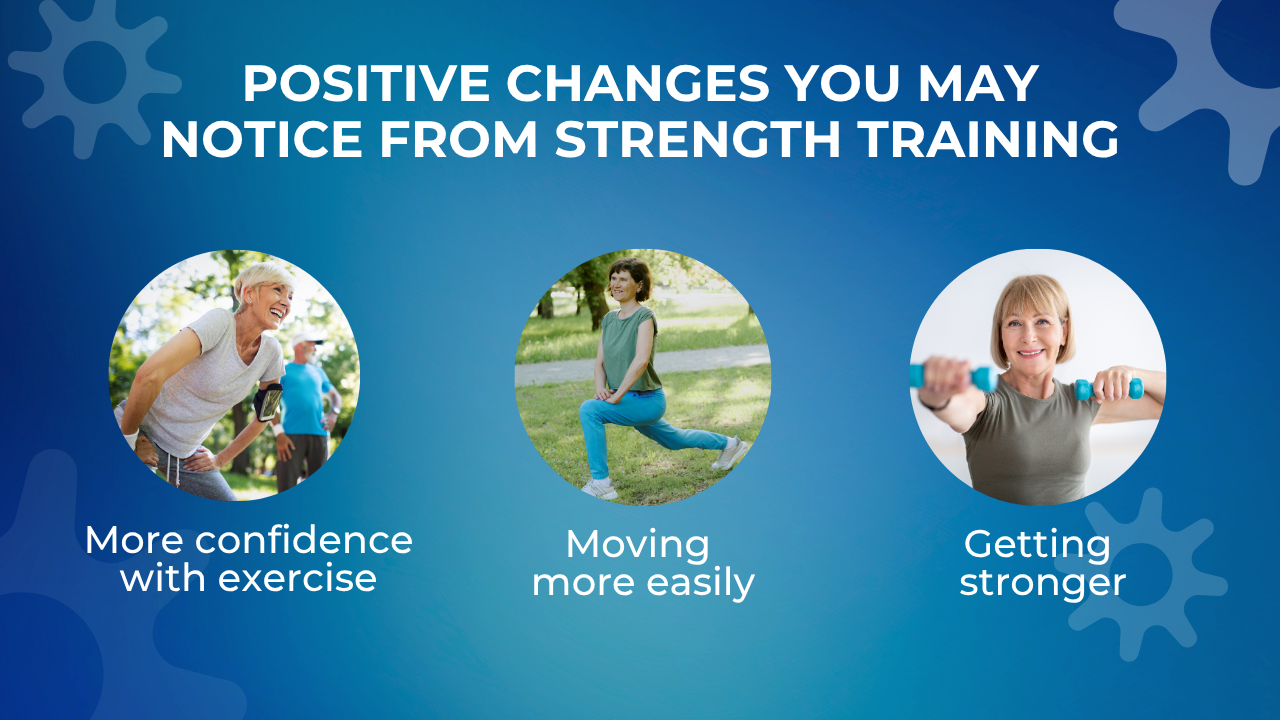
Many people are surprised by how quickly they begin to notice changes. While everyone's experience is different, it's common to experience:
These changes don't happen because of one great workout. They happen because of repeated effort over time. Each session builds on the last, creating improvements that can support your health, confidence, and physical function well into the future.
There are many different ways to strength train successfully. Some people enjoy the structure and variety that comes with a gym environment, while others prefer exercising at home with a few resistance bands or dumbbells. Some enjoy machines because they feel simple and easy to learn, while others eventually progress towards free weights because they more closely reflect the movements we use in daily life.
The most important factor isn't where you exercise or what equipment you use. It's whether the approach fits comfortably into your life. For many people, two strength training sessions per week is a great place to start. Finding a routine that feels achievable and enjoyable will almost always be more valuable than chasing a perfect program that becomes difficult to maintain.
If there was one message we hoped people would take away from our discussion, it's that strength training is one of the most valuable investments you can make in your long-term health. It supports your muscles, your bones, your confidence, and your ability to continue doing the things that matter most to you. It can be adapted to suit different goals, different abilities, and different stages of life.
You don't need to have everything figured out before you begin. Start where you are, focus on building consistency, and allow yourself time to learn. Small efforts performed regularly can lead to meaningful changes over time, helping you move through life with greater strength, confidence, and ease.
 This article is based on Exercise Physiologists Sarah Comensoli and Kayleen Falconer's discussion on Strength Training for Beginners. Access the complete session by clicking here.
.png?width=1280&height=720&name=Sleep%20and%20the%20Anxious%20Brain%20(header).png)